The Other Ninety Percent: A Quiet Word About the Carrier Oil in Your CBD Drops

Photo: Carole Raddato from FRANKFURT, Germany, CC BY-SA 2.0, via Wikimedia Commons
There's a moment, somewhere around the third or fourth CBD purchase, when you finally turn the bottle around and read the whole panel instead of just squinting at the milligram figure. And that's when it hits you: the thing you've been paying a premium for is maybe a tenth of the bottle. The rest is oil. Plain, slightly slippery, largely unsung oil.
That's not a scandal. It's just chemistry. Cannabinoids need a fat to travel in, and a dropper bottle needs a liquid thin enough to actually drop. But the carrier oil is where a lot of the differences between two apparently identical products actually live — in how they taste, how they keep, how evenly they dose, and how much you trust the people who filled the bottle.
So let's talk about the quiet ninety percent.
What's actually in there
A typical UK CBD oil is roughly this: a hemp extract, a carrier oil, and sometimes a small amount of flavouring or an antioxidant such as vitamin E. That's usually the whole cast list. No confetti, no magic. If a label lists twelve ingredients and one of them is a preservative you can't pronounce, that's information, not necessarily a crime — but it is a choice the maker made.
MCT: the default, and mostly for good reason
MCT stands for medium-chain triglycerides, and in practice it usually means fractionated coconut oil — the clear, thin, near-tasteless stuff. It's the most common carrier in UK CBD drops and it earns its place: it's light, it's stable, it doesn't fight with the flavour of the extract, and it pours predictably, which matters when your dose is measured in drops rather than millilitres.
One thing worth clearing up, because it causes endless confusion in reviews: MCT is not the same as coconut oil. Coconut oil goes solid in a cold kitchen; MCT stays liquid. If someone tells you their drops 'set in the fridge, so you know it's real', they're describing a different product category entirely.
Hemp seed oil: related, but doing a different job
Hemp seed oil is pressed from the seeds, not the flowers, and it carries essentially no cannabinoids of its own. It's nutty, greenish, rich in its own fats, and it tastes like something. Some brands use it as the carrier and lean hard on the hemp connection in the marketing.
None of that is dishonest — but it's worth knowing that a hemp seed carrier doesn't make a bottle stronger or more 'natural' than an MCT one. It makes it taste earthier, keep for slightly less time once opened, and behave a bit differently under the tongue. If you like the flavour, great. If you don't, you'll know within a week.
Olive oil: the kitchen-table traditionalist
Olive oil is the old-school option and still turns up in smaller-batch UK products. It's thicker, has a distinct peppery finish, and sits comfortably alongside food. Some people find it gentler on the stomach than MCT; others find it heavy and slightly cloying under the tongue.
Practical note: olive oil is viscous, and viscous oils produce fatter, slower drops. If you've ever switched brands and felt like your dose suddenly changed, the carrier is a plausible culprit before the cannabinoid content is.
The others you'll spot
Sunflower and grapeseed oils appear occasionally — neutral, cheap, perfectly functional, shorter on stability than MCT. And then there's glycerin, which isn't an oil at all but a sugar alcohol. It's sweet, thinner in the mouth, and often used in 'hemp extract' products that are technically tinctures rather than oils. Check which one you've bought, because the dosing feel is genuinely different.
Where the carrier quietly decides things
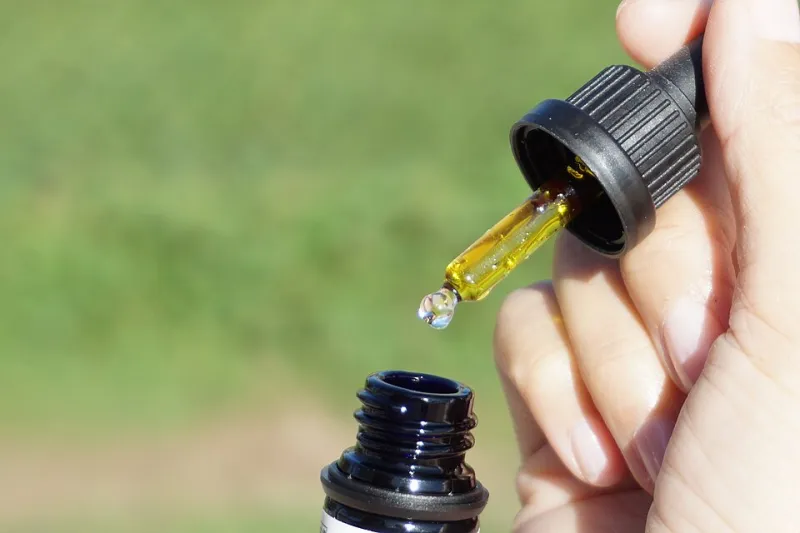
- Drop size. Thin oils make small drops; thick oils make big ones. Two brands with identical strength can deliver noticeably different amounts per squeeze.
- Temperature behaviour. A cold kitchen slows everything down. MCT shrugs it off; olive oil gets downright sulky.
- Taste. Neutral carriers let the extract speak. Characterful carriers dominate. Neither is wrong, but one is much easier to take at 7am.
- Shelf life. Fats oxidise. Oils high in polyunsaturates go off sooner, which is one more argument for dark glass and a cool cupboard.
- Ingredient honesty. A label that names its carrier — 'fractionated coconut oil (MCT)' — is showing its workings. A label that says 'vegetable oil' is not.
The purity-led reading
If you're trying to buy well, the carrier is a useful proxy for how a brand thinks. A short, named ingredient list usually means someone decided there was nothing to hide behind. A long one, full of stabilisers and flavourings, isn't automatically bad — but it does mean the oil is being asked to do more work than simply carry cannabinoids.
It's also worth checking whether the carrier appears in the allergen information, particularly with coconut-derived MCT, and whether the batch number on the bottle matches anything you can look up. Small things. But the small things are the whole point of the quiet ninety percent.
A two-minute bottle check
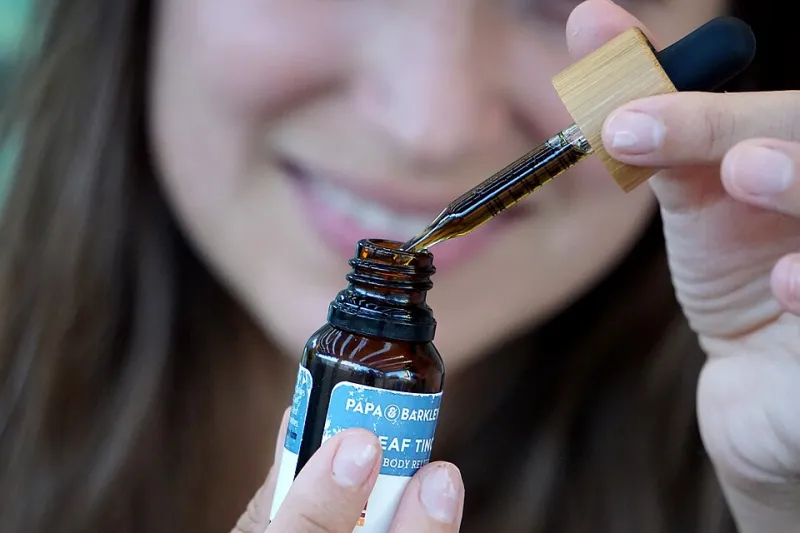
Name the carrier. Name the extract type. Count the ingredients. Check the batch. Note whether the oil is thin or thick when you first use it, and remember that so your next bottle is a fair comparison. Then put it back in the dark cupboard, because no carrier oil enjoys a sunny windowsill.
That's it. No confetti, no theatre — just a slightly better idea of what you're actually swallowing, and why the boring part of the label is often the most honest part.