Stop Shopping by Milligram: The Quiet Case for Smaller CBD Drops in the UK
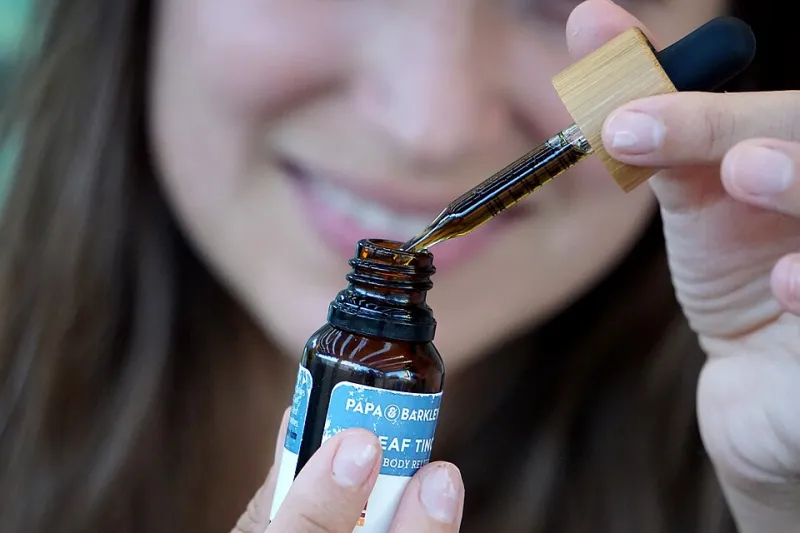
Photo: elsaolofsson, CC BY 2.0, via Wikimedia Commons
Walk into any UK CBD shop or scroll through a British wellness aisle online in 2026 and the message is hard to miss: more milligrams, bigger bottle, stronger claim. The number is doing a lot of heavy lifting. It is also, for many shoppers, doing very little to answer the question that matters. Is this a clean, well-made CBD product that fits a sensible daily routine?
The number that sells the bottle
A 1,000mg label feels reassuring. A 2,000mg label feels serious. A 5,000mg label feels like a shortcut to something better. But milligrams on the front of a bottle usually describe the total CBD in the whole bottle, not the amount in a single drop. A large bottle with a modest milligram count and a small bottle with a high milligram count can end up at the same strength per millilitre. Without that context, the arms race is less a measure of quality than a measure of marketing confidence.
This is not an argument against CBD. It is an argument against letting one number do all the work.
What the milligram misses
Purity is not a mood. It is a paper trail. For a UK shopper, that means looking for clear batch testing, a batch number you can match to a certificate of analysis, and a label that tells you what is in the bottle without making you squint. It means knowing the carrier oil, because MCT, hemp seed and olive oil all behave differently in a daily routine. It means checking the cannabinoid profile and whether the product is broad spectrum, full spectrum or isolate, rather than assuming that stronger always means better.
Then there is serving size. A dropper is not a standard unit. Some bottles mark 0.5ml, some 0.25ml, some leave you guessing. A product with 50mg per ml can deliver 25mg in a 0.5ml serving, while a bottle with 25mg per ml needs a full millilitre for the same amount. That difference matters more than whether the bottle says 500 or 1,500.
A smaller, smarter drop routine
A smaller routine starts with less theatre. Pick a product with a clear milligram-per-millilitre figure, a tested batch and a carrier oil you are happy to take daily. Use a measured serving, note how it fits your day, and keep the rest of the routine boring. Consistency beats cliff-edge escalation.
For some people, that might mean a low-strength drop in the morning and a slightly different one in the evening. For others, it might mean one simple bottle and a diary note for a few weeks. The aim is not to take the smallest amount possible forever. The aim is to stop using the biggest number on the shelf as a substitute for knowing what you are actually taking.
How to compare without chasing numbers
Use a purity-first checklist before you look at the headline milligram count:
- Check the mg per ml, not just the mg per bottle.
- Look for a batch number and a certificate of analysis you can actually find.
- Read the ingredients list and identify the carrier oil.
- Check the dropper markings and the suggested serving size.
- Compare bottle sizes honestly, because a bigger bottle can look stronger simply by volume.
- Look for clear storage and shelf-life guidance on the pack.
That last point is not trivial. A beautifully made oil can be let down by a windowsill, a warm kitchen cupboard or a bathroom shelf. Purity at the point of sale is only half the story; it has to survive the way you live.
The British angle
UK homes are not laboratories. Many of us are working with small kitchens, Victorian flat windows, condensation-prone bathrooms and radiators that come on with a clunk. A CBD routine has to fit that reality. A smaller, smarter drop routine is easier to keep consistent when the bottle is not a giant ornament and the serving is not a guessing game.
The milligram arms race will probably keep rolling in 2026. It is too easy to photograph. But British shoppers do not need to run in it. A calmer approach is to ask for evidence, compare like with like, and treat strength as one detail among several. Purity, transparency and a serving size you understand are not the boring bits. They are the whole point.
If you are taking medication or managing a health condition, speak to a pharmacist or GP before adding CBD to your routine. This article is general information, not medical advice.