Between the Watering Can and the Weeding: A CBD Rhythm That Suits the Allotment Year
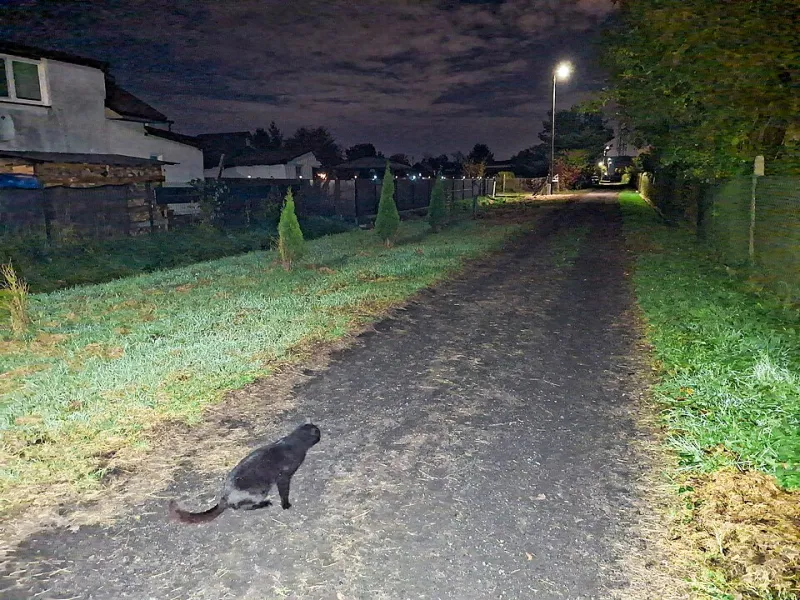
Photo: Szczecinolog, CC BY-SA 3.0, via Wikimedia Commons
There's a particular sound to an allotment on a Tuesday morning in November: a gate that needs oiling, someone two plots over muttering about slugs, and a flask being unscrewed. Not much else. The growing season has mostly packed up, the seed catalogues have started arriving, and the plot is in that in-between state where the main job is tidying and pretending you'll finally sort the compost heap.
It's the sort of setting that makes a rigid wellness routine look a bit silly. Nobody stands at a raised bed at 7am sharp with a stopwatch. And yet CBD, for all its relaxed reputation, tends to get sold as exactly that: a schedule, a system, a thing you do at the same minute every day or you've somehow failed at it.
So this is a piece about doing it differently — letting the plot set the pace rather than the other way round.
The plot doesn't do clock time
A gym routine can survive on habit because the gym is always there, at the same temperature, with the same lighting. An allotment is a different animal. One week you're there at dawn because the forecast says rain by eleven; the next you're not there at all because the rain arrived early and stayed for four days.
That variability is worth respecting. If your CBD drops only exist inside a perfect routine, they'll get skipped the moment the routine frays — and in a British growing year, the routine frays constantly. Mid-May frosts, July heatwaves, the August courgette situation that nobody warned you about.
A more useful approach: attach the dose to moments that already happen on the plot regardless of season, rather than to a time on a clock.
The flask break is the natural anchor
Almost every allotmenteer has one. The flask gets opened somewhere between the first proper job and the second, usually around mid-morning, usually sitting on an upturned bucket. It's a pause that exists for reasons that have nothing to do with wellness — you're tired, your hands are cold, the tea is there.
That's a decent hinge for a daytime dose. You're already stopped, already doing something with your hands, already in a frame of mind that isn't rushing anywhere. Slip the dropper in alongside the tea and it becomes part of the break rather than a separate task.
A couple of practical notes. If you're using a flavoured flask — chai, ginger, whatever's in the cupboard — hold the drops under your tongue for a minute or so rather than chasing them immediately with a hot drink. And if you're the sort who forgets the flask exists until the tea's gone cold, keep the bottle in the same bag as the flask. Proximity beats willpower every time.
After the digging, not before the digging
The other reliable anchor is the moment you down tools. Earthing up potatoes, barrowing muck, levering out a stubborn root — these are physical jobs, and they tend to end with a specific feeling: you're done for the day, and you know it.
That's a sensible point for a second dose if you take one. Not because CBD is a muscle rub (it isn't, and anyone telling you otherwise is selling something), but because the post-job sit-down is a natural full stop. It's the point where the day shifts from doing to being, and putting a dose there keeps it clearly on the rest side of the line.
What you probably don't want is taking drops at the start of a session and then spending two hours halfway down a trench wondering why the afternoon feels a bit flat. Daytime clarity matters, and CBD oils vary enormously in how they sit with people. If you're new to it, start low, start on a rest day, and find out how it treats you before you combine it with a spade.
Small bottles, small doses, fewer decisions
Allotment life rewards the unfussy option. You want one bottle, a known number of drops, and no mental arithmetic in a cold shed.
That argues for keeping the strength modest and the routine simple, rather than buying a big impressive number on the front of the bottle and then fiddling about trying to halve it. A low-strength oil used consistently tells you far more about what suits you than a strong one used nervously once a fortnight. If you do want to adjust, adjust slowly — one small change at a time, a couple of weeks apart, so you can actually tell what's doing what.
Don't leave the bottle in the greenhouse
This is the bit people get wrong most often, and it has nothing to do with dose.
CBD drops don't love heat, and they really don't love light. A greenhouse in June is both, plus humidity. A south-facing shed window is the same story with a worse view. If your bottle lives in the plot bag permanently, it's going to spend a lot of the year being gently cooked.
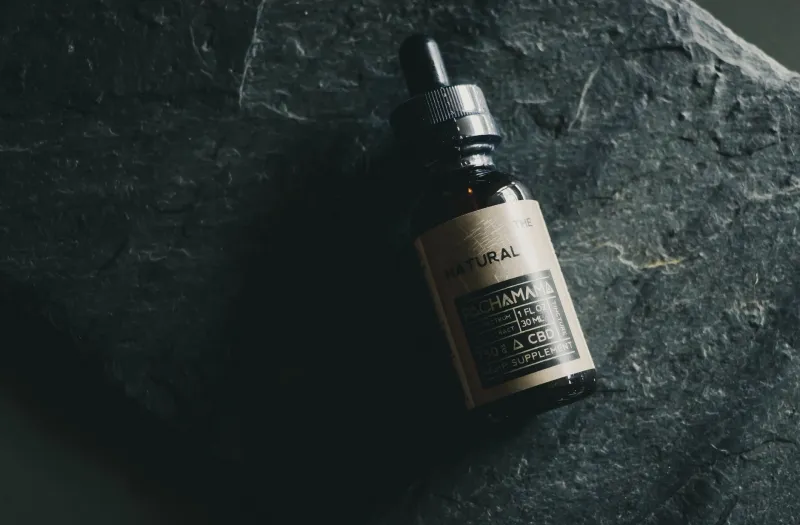
Keep it in a cool, dark spot at home — a cupboard rather than a windowsill, away from the radiator — and decant only what you need if you want to carry it in a pocket. A small amber bottle in a zip pocket is fine for a morning; a whole summer in the greenhouse is not.
What purity actually looks like on the label
Here's the other thing worth taking seriously, and it's the reason the brand has the word in its name.
A lot of CBD packaging is designed to reassure you rather than inform you. Leaf prints, green gradients, the word 'organic' in a font that means nothing. The information that matters is the duller stuff: how much CBD is actually in the bottle, what it's suspended in, and whether there's a recent lab report you can look at.
That last point is the real test. A batch-specific certificate of analysis — showing cannabinoid content and a screen for contaminants — is the difference between a purity claim and a purity fact. If a supplier can't produce one, that tells you something. If they can, and it's current, that tells you more than any amount of gold foil on the box.
Watch the carrier oil too. Some people find certain carrier oils sit more comfortably than others, and it's worth knowing what's in the bottle before you blame the CBD for something the base oil did.
The point isn't to add another job
The allotment is many things — exercise, therapy, mild social obligation via the committee, and a source of far too many courgettes — but it isn't a productivity system. Treating your CBD dose as another item to tick off quietly undermines the whole idea.
Better to think of it as part of the pause. Tea, bucket, drops. Or tools down, hands clean, drops. Two anchors, both of which already exist, neither of which needs an alarm.
That's the whole routine, really. It won't survive a spreadsheet, and it doesn't need to. It just needs to survive the weather — which, on a British plot, is more or less the only metric that counts.