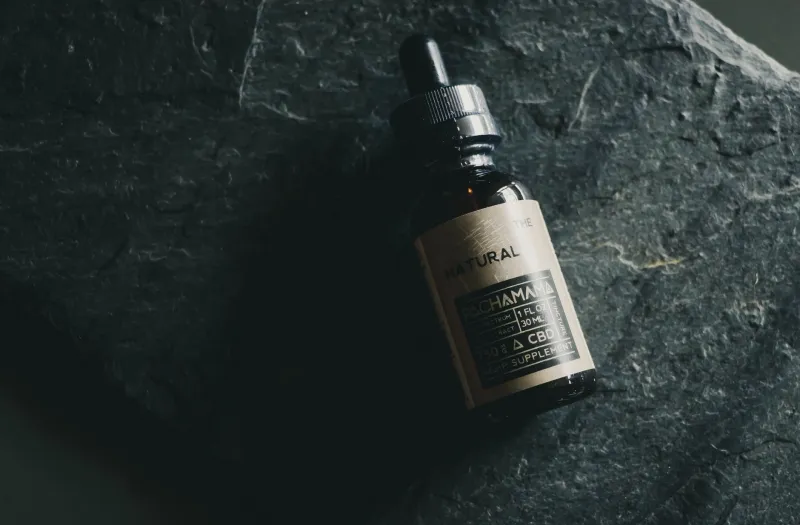
The Freebie in the Kitchen Drawer: What a CBD Tester Really Does to Your Routine
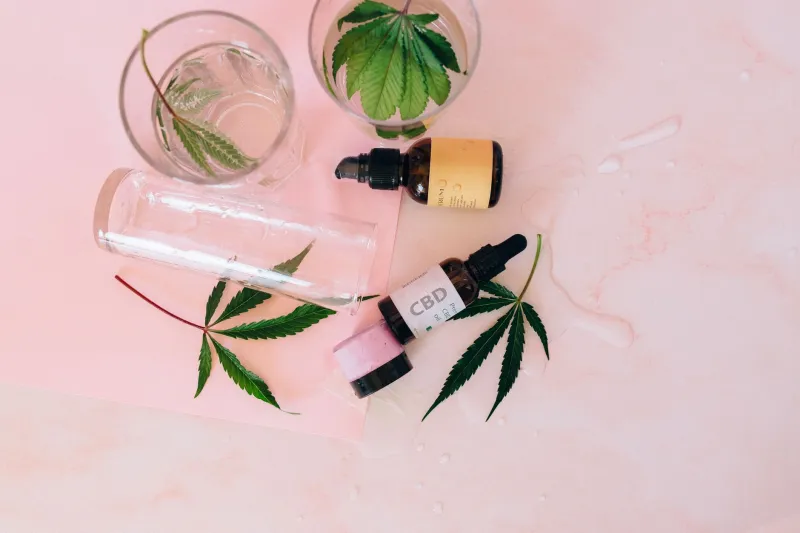
There is a particular kind of British optimism that arrives with a freebie. It is the same instinct that makes us take a miniature shower gel home from a hotel, or keep a branded tote bag because it might be useful for the recycling. A free CBD tester sachet or tiny vial lands in the same mental folder: small, free, probably handy. And yet, when it comes to CBD, that little freebie can be more trouble than it looks.
This is not a case against trying new things. Trying a sample is one of the sensible ways to work out whether a product suits you. The issue is that a tester is rarely just a smaller version of your usual bottle. It often arrives with less paperwork, less clarity and more variables than the product you already trust. If your routine is built on purity and consistency, a stray sachet can quietly pull it off course.
Why a free tester feels so sensible
At checkout, a sample feels like a low-risk add-on. You are not committing to a full bottle, and you are not changing your main routine. In practice, though, samples have a way of becoming part of the routine by accident. You try one on a Tuesday, like how it feels, try another on Thursday, then find three half-used sachets behind the tea caddy by the following month.
The problem is not the experiment itself. It is the lack of a clear record. A good CBD routine, especially one built around purity-led products, relies on stable points: the same product, the same strength, the same carrier oil, the same time of day. A free tester can introduce a new variable without giving you the information to understand it.
The missing paperwork problem
A full-size CBD bottle should give you a route to the batch code and, ideally, a lab report you can check. That paper trail matters because it tells you what was tested and when. A sachet, by contrast, often has a tiny printed panel with barely enough room for the flavour and a use-by date. Sometimes the batch code is missing altogether.
Without a batch code, you cannot easily tie the sample to any lab paperwork. Without lab paperwork, you are taking the brand’s word for it. That may be fine for a random freebie you use once, but it is a shaky foundation for a daily wellness habit. In 2026, UK shoppers are rightly asking more questions about CBD purity. A sample that cannot answer those questions is not really a shortcut. It is a small blind spot.
Carrier oil: the quiet variable
Carrier oil is another detail that tends to go missing on tester packaging. If your usual drops use MCT oil and the sample uses olive oil, hemp seed oil or something else entirely, you have changed two things at once: the CBD and the base. If the sample also includes flavourings or sweeteners, the picture gets murkier still.
That does not mean one carrier oil is inherently better for everyone. It means you cannot compare like with like if you do not know what you are comparing. A purity-led approach is not about chasing the most exotic label word. It is about knowing what is in the bottle, or sachet, and being able to keep the rest of your routine steady.
Dosing by dribble
Tiny vials and sachets also make dosing vague. A full dropper gives you a familiar measure. A sachet might say ‘one sachet’ or ‘use as needed’, but what does that mean in milligrams? If the CBD content is unclear, you are guessing. If the sachet contains more than your usual dose, you may end up with a very different day. If it contains less, you may wonder why your routine feels inconsistent.
The occasional tester is unlikely to be a drama. But a cupboard full of them can turn your CBD routine into a lucky dip. One day is 10mg, the next is 25mg, the next is whatever is left in the bottom of a vial. That is not a baseline. That is a blur.
The kitchen drawer effect
Samples also create clutter, and clutter creates decisions. A drawer of unlabelled sachets, half-used vials and promotional cards makes it harder to find the product you actually trust. You might forget which sample came from where, or which one is past its date. You might end up using an old tester simply because it is at the front of the drawer.
A clean routine should be easy to run on a grey Tuesday morning when you are half awake and looking for the kettle. If your CBD storage requires an archaeological dig, something has gone wrong.
A simple checklist before you accept
You do not need to be rude about it. A polite ‘thanks, I will check the batch details’ is enough. Before a sample earns a place in your cupboard, ask:
- Is there a batch code on the packaging?
- Can I access a lab report for that batch?
- Is the carrier oil named?
- Is the CBD content clear in milligrams?
- Are the full ingredients listed?
- Is there a clear use-by date?
- Is the packaging resealable or single-use?
If the answer to several of these is no, the sample can still be a one-off curiosity, but it should not become part of your daily routine. If the answer is yes to most of them, the tester is doing what a tester should do: giving you a small, traceable look at the product.
How to try a sample without losing your baseline
Keep your usual product as the anchor. Try the sample on a day when you are not changing anything else, and note the date, batch code, carrier oil and amount. Do not stack it with a new supplement, a new flavour or a different strength. Store it cool and dark, away from the radiator and the window sill. Label it if the packaging does not. And be honest about the cupboard: if you have not used it within a few weeks, bin it rather than letting it become drawer archaeology.
A free CBD tester is not automatically a bad thing. It can be a useful introduction. But it should not set the agenda for a purity-led routine. Free is fine when it comes with information. When it comes without it, the real cost is the clarity you lose.