The Last Drop Is Not the Last Job: A Calm Guide to Bin Day With CBD Packaging
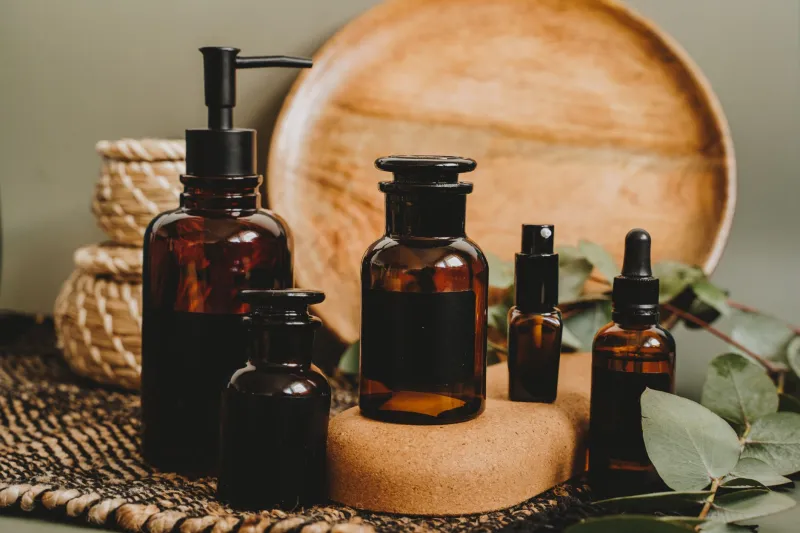
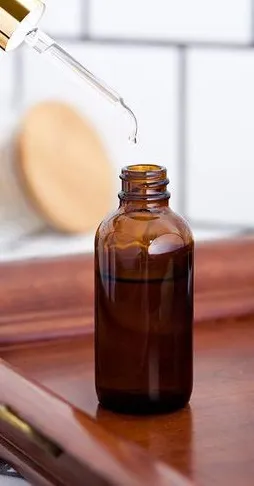
There is a particular kind of clutter that builds up when you take CBD drops daily: a small bottle on the windowsill, another in the bathroom cabinet, a third in the bottom of a bag. Once the last drop has gone, the bottle is not a souvenir. It is packaging. And CBD packaging is often a slightly awkward mix of amber glass, plastic, rubber and paper that does not fit neatly into one bin.
The aim here is not to turn bin day into a lifestyle project. It is to give empty CBD packaging a sensible exit, avoid the temptation to reuse it for something it was never designed to hold, and ask a few fair questions about the eco claims on the label.
First, decide what the bottle is not
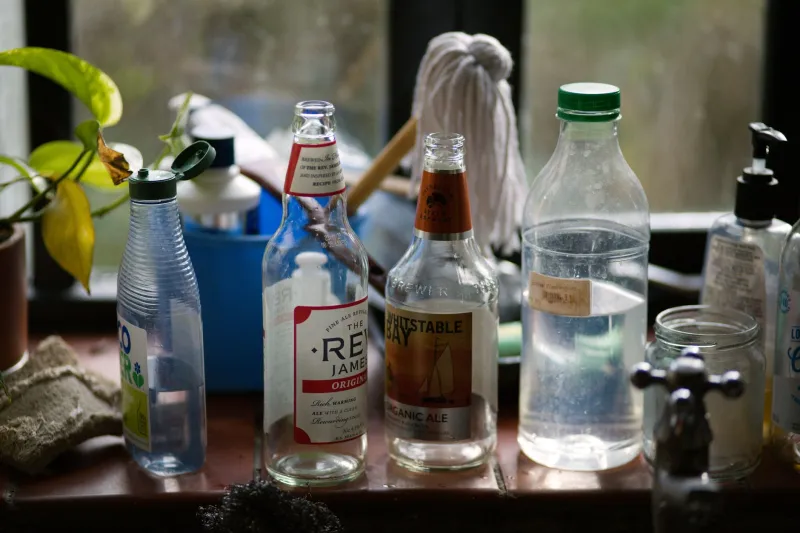
An empty CBD dropper bottle is not a free vial for homemade oils, a travel container for decanted CBD, or a craft-project bottle for the kids. This is the purity point, and it matters more than the recycling point.
CBD drops are made for a specific carrier oil, a specific strength and a specific container. Once the bottle is empty, it is not sterile. Residual oil can cling to the glass and the pipette, and rubber bulbs and plastic collars are not designed to be scrubbed clean at home. A dishwasher cycle is not a sterilisation programme. Reusing the bottle for a homemade infusion, a different brand of drops or an essential-oil blend introduces a contamination risk you cannot see, and it can make a previously straightforward routine feel vague.
If you like the idea of refilling, look for a closed refill system from the brand itself — not a kitchen-counter decant into a bottle that has already lived a life. An empty bottle is evidence of a routine. It is not a clean vessel.
The quick sort: four piles, not fifteen
Most UK households can deal with CBD packaging with a simple sort:
- Outer carton and leaflet: paper recycling, provided it is clean and your council accepts cardboard and paper. Remove any plastic window or sticker if it comes away easily.
- Glass bottle: check your local authority before assuming it belongs in the glass bin. Amber glass is accepted in many kerbside collections, but not all. Some councils ask for bottles to be rinsed; others simply ask that they are empty.
- Dropper components: glass stem, plastic collar, rubber bulb. These are often mixed materials and frequently not kerbside recyclable. If your council does not specifically accept them, general waste is the honest choice.
- Unsure items: keep them out of the recycling bin until you have checked. A small pipette that jams a sorting machine is not a recycling victory.
Council rules really do vary
The UK does not have one single recycling rulebook. Kerbside collections differ across England, Scotland, Wales and Northern Ireland, and they can differ between neighbouring councils. One authority may take amber glass at the kerbside; another may ask you to take it to a household waste and recycling centre. One may accept plastic bottle tops; another may not.
Use your council’s own A–Z recycling search rather than a general memory of what a blue bin used to take. Look up “amber glass”, “glass bottles”, “plastic lids” and “pipettes” separately. If the answer is unclear, do not wishcycle. Putting a mixed-material dropper into the recycling because it looks vaguely recyclable is how contamination happens.
The rinse question
Rinsing is where sensible people start flooding the sink with soapy water for a 10ml bottle. Keep it modest. If your council asks for glass to be rinsed, wipe out the worst of the oil with kitchen roll first, then give it a quick rinse. Put the kitchen roll in general waste. Do not pour oily rinse water into the garden or a water butt.
If your council does not ask for rinsing, do not invent a ritual. Empty is usually the standard. A bottle that has held CBD oil is not hazardous household waste, but it is also not a reason to run a full washing-up bowl.
Eco claims deserve a closer look
Words like “biodegradable”, “compostable” and “plastic-free” are doing a lot of work on some wellness packaging. They are not all meaningless, but they are not all equal either.
“Compostable” often means industrially compostable, not suitable for a home compost heap. “Biodegradable” does not tell you how long it takes or where it should go. “Recyclable” may mean technically recyclable rather than accepted by your council. “Plastic-free” may refer to the bottle while ignoring the pipette bulb.
Look for the on-pack recycling label — usually a simple “Recycle”, “Don’t recycle” or “Check locally” — and treat it as a starting point. If a brand offers a take-back or refill scheme, read the small print: does it cover the dropper, or only the glass? A purity-led CBD routine should not stop at the label on the front.
A five-minute exit routine
When a bottle is finished: remove the carton and leaflet for paper recycling. Check your council page for amber glass and droppers. Wipe or rinse the glass only if your council asks. Put mixed dropper parts in general waste if there is no specific collection. Then put the empty bottle where it belongs — not back on the windowsill as a reminder of a brand you liked.
That is the whole job. The empty bottle is not a souvenir, a craft supply or a future decanting vessel. It is packaging. Give it a clean exit and keep your CBD routine on the pure side of simple.