Lovely Jar, Wrong Contents: Why CBD Drops Don't Belong in the Refill Shop Queue
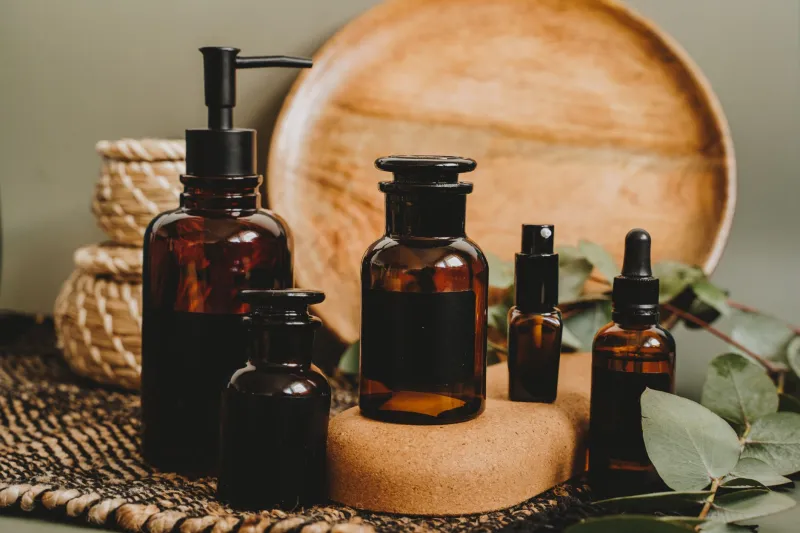
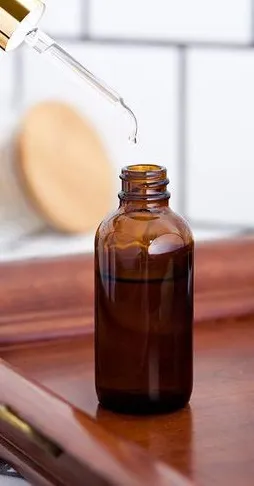
There's a certain satisfaction in rinsing out a handsome amber bottle, peeling off the label, and giving it a second life. The British refill habit has grown around exactly that instinct: take your own containers to the high street, top up on shampoo, washing-up liquid, oats and lentils, and feel quietly smug on the walk home. It is a good habit. But it has a boundary, and CBD drops sit firmly on the other side of it.
This isn't because CBD is fragile or precious. It's because the bottle, the dropper, the batch code and the label are doing a job that a refill shop cannot replicate. Treating your CBD bottle like a shampoo bottle is a small mistake with a long tail.
It's a food supplement, not a bathroom staple
In the UK, CBD oils sold as drops are generally positioned as food supplements. That puts them in a different regulatory lane from shampoo, conditioner or washing-up liquid. Food supplements carry batch records, best-before dates, storage instructions and a paper trail that connects the liquid in your bottle to a specific production run and a set of lab tests.
Refill shops are set up for cosmetics and household goods. Some are excellent, with clean equipment and clear allergen logs. But none of them can hand you the batch record for the CBD you brought in from home. The moment you decant, you become the manufacturer, the packer and the quality department — with no lab and no paperwork.
Batch codes are not decorative
Look at a reputable CBD bottle and you'll usually find a batch number, sometimes a best-before date, and often a nudge towards a certificate of analysis. That code is the thread you pull if something tastes odd, looks cloudy or doesn't match the label. It's how a brand can trace a problem back to a specific mix.
Tip those drops into an unlabelled bottle and the thread snaps. If you have a question in three weeks' time, you won't know which batch you're asking about. Refill shops don't log your CBD batch because they didn't make it and didn't fill it. That's not a criticism of refill shops; it's just outside their remit.
The hygiene maths of a shared funnel
Refill shops work hard to keep equipment clean, but their cleaning routines are designed around soaps, oils and dry goods. CBD drops are ingested. That changes the standard. A funnel that has held shampoo, even a well-rinsed one, isn't the same as a clean, dry, food-safe transfer tool.
At home, the risks are quieter but real. A jug that still has a trace of washing-up water. A funnel left on the draining board. A dropper tip that touches a lip, a tongue or a kitchen towel and goes back into the bottle. Oil and water don't mix, but bacteria and warm kitchen air are happy bedfellows. The original bottle is sealed, labelled and designed for its contents. A refill bottle is a guess.
Dosage is not a splash
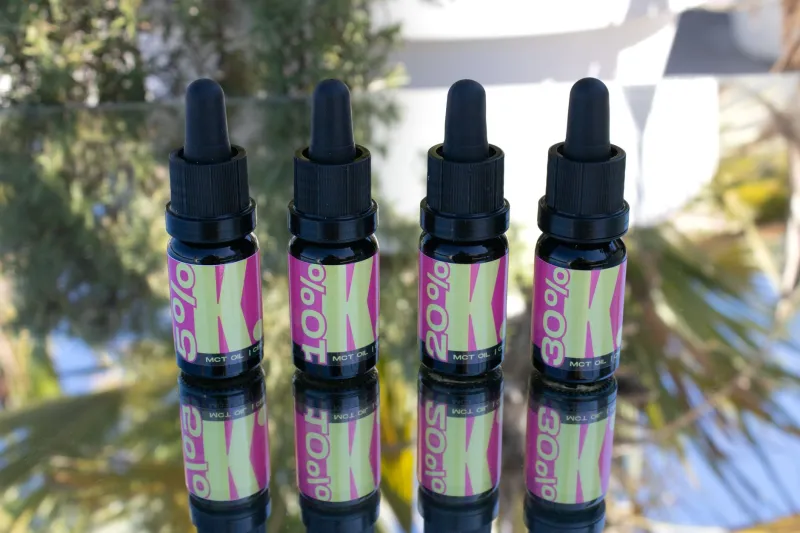
CBD dosage is usually expressed in milligrams per millilitre, and often translated into milligrams per drop. That drop size depends on the dropper and the bottle it was designed for. Pour the same oil into a different bottle with a different dropper and the maths changes. You might think you're taking 10mg and get 6mg or 14mg. You might not notice until your routine feels inconsistent for reasons you can't put your finger on.
The original dropper is part of the dose. It's calibrated, however roughly, to the bottle and the liquid. Refilling breaks that pairing.
The label is the instruction leaflet
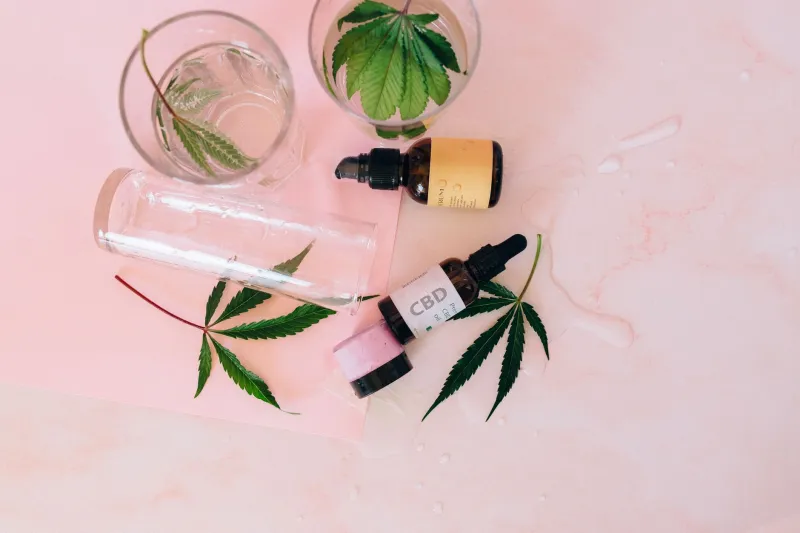
A CBD label is not just branding. It carries the batch code, the best-before date, storage advice and any warnings or usage guidance. It may also carry the name of the business that placed the product on the market. A generic refill bottle carries none of that.
If you decant, you're effectively creating a new product without the label that tells anyone — including future you — what it is, when it was opened and how it should be stored. That's a lot of admin for a bottle you could have just kept.
What to do instead
Keep CBD in its original container. Store it upright, with the lid tight, in a cool, dark place — a cupboard rather than a sunny windowsill, and away from the warmth of the hob. If you travel, take the original bottle with its label intact rather than a smaller unlabelled one.
If you want a smaller format, buy a smaller size. Many UK brands offer 10ml bottles alongside larger ones, which is a simpler solution than decanting.
When the bottle is empty, recycle the glass responsibly. Rinse it, remove the dropper and any plastic or rubber parts, and check your council's kerbside rules. Amber glass is accepted in many areas, but not all, so a quick look at the local guidance is worth the two minutes. Reusing the bottle for another ingestible is not the same as recycling it.
The refill shop is still a good idea
None of this is a case against refill shops. Take your bottles, top up your shampoo, buy your oats loose. Just don't put your CBD in the queue. The refill reflex is a good one, but it needs a cut-off point. For CBD, that point is the original bottle.