Upright, Unshared, Unrinsed: The Five-Minute Dropper Habit That Keeps CBD Clean
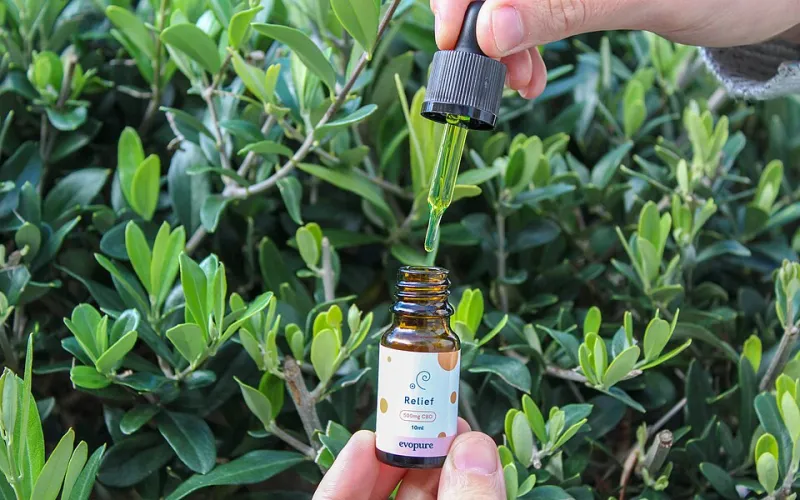
Photo: Evopure, CC BY-SA 2.0, via Wikimedia Commons
Purity in CBD gets talked about as if it begins and ends with a certificate. Useful, yes. But there is another layer that rarely makes it onto the label: what happens after the bottle is opened and the dropper starts leaving the glass several times a day. That is where a clean product can be quietly undermined by a messy habit.
The good news is that dropper hygiene is not a laboratory exercise. It is a small, repeatable routine — a few seconds here, a five-minute check there — and it fits neatly into the same daily wellness slot as your drops. Think of it less as sterilising your kitchen and more as not undoing the careful work that went into the bottle in the first place.
The rinse reflex is usually the wrong reflex
The first instinct for many people is to rinse the dropper under the tap after use. It feels tidy. Unfortunately, it is often the least helpful thing you can do. Tap water is not sterile, oil and water do not mix happily, and a damp dropper pushed back into the bottle is a neat way of introducing moisture where you do not want it. Residual water can also cling to the inside of the glass pipette and dilute the next dose in a way that is hard to predict.
For everyday home use, the dropper does not need a rinse between doses. If the outside of the pipette feels tacky — perhaps a little oil has crept up the glass — wipe it with a clean, dry tissue and let it be. Keep the bottle itself out of the washing-up bowl. CBD drops are not a jam jar, and the label, cap and glass are not designed for a soak.
Fingers, worktops and the ten-second transfer
Most contamination is not dramatic. It is a fingertip on the dropper tip, a pipette rested on the worktop while you answer the door, or a bottle left open beside the kettle. Those ten-second transfers are exactly what a simple routine is designed to interrupt.
Start with clean, dry hands. Uncap the bottle and keep the cap face-up on a clean surface, or hold it rather than putting it down. Do not let the dropper tip touch the kitchen worktop, the sink, the tea towel or your fingers. If you need to set the dropper down mid-dose, place it on a clean piece of kitchen roll — not on the nearest plate, not on the draining board, and definitely not on the windowsill where the cat likes to sit.
Sharing is another quiet weak point. A dropper is a personal item. If two people in the house use CBD, give each person their own bottle rather than passing one back and forth. It is not about being precious; it is about keeping the contents of that bottle as close to how they left the producer as possible.
And if the tip does make contact with your mouth during dosing — which can happen — do not then offer the same bottle to someone else. Keep it personal, keep the cap clean, and avoid the urge to rinse the dropper afterwards. A clean tissue for the outside is enough for normal home use.
Store it upright, like the bottle it is
A CBD bottle stored on its side is a bottle asking for trouble. Oil can creep into the threads, the cap can become tacky, and the dropper spends its downtime marinating in residue. Stored upright, the bottle behaves itself: the dropper drains, the cap stays cleaner and the whole thing is easier to handle without a fumble.
Pick a spot away from heat, direct sunlight and steam. A dark cupboard or drawer is better than a sunny windowsill, and the shelf above the hob is not the friend it appears to be. Keep the cap on when the bottle is not in use. If you travel with CBD, use a small upright case or pouch rather than letting the bottle roll around loose in a handbag next to keys and loose change.
The weekly five-minute check
Once a week, take five minutes to give the bottle a once-over. Clear a clean surface, wash and dry your hands, and bring the bottle into good light. This is not about performing a home laboratory test; it is about noticing the small things before they become annoying.
Check the outside of the bottle for sticky residue, dust or oil that has crept up the glass. Wipe the exterior with a clean, dry tissue if needed. Look at the cap and the dropper: is there any build-up, a cracked tip or a loose bulb? A damaged dropper is worth replacing or flagging with the retailer rather than persevering with it. Check the batch and best-before information while you are there — not because a date is a magic switch, but because it helps you keep track of what you are using and when.
Then look at the oil itself. Compare it with how it looked when the bottle was new. If it has changed unexpectedly — sudden cloudiness, a strange smell, visible particles — stop using it and contact the brand or retailer. Do not try to fix it at home, and do not add water or anything else to the bottle.
A small ritual, not a sterile lab
The aim is not to turn your kitchen into a clean room. It is simply to treat the dropper as part of the product rather than a disposable afterthought. Clean hands, a clean surface, an upright bottle and a weekly glance are enough for most British homes.
Purity-led CBD is a lovely idea on the label, but it is maintained in the small moments — the cap placed face-up, the dropper that does not get rinsed under the tap, the bottle that stands upright in a dark drawer. Five minutes a week is a small price for knowing that your routine is doing its bit to keep the product clean.